


Domestic Portable Biogas Plants Course

APRC Course Details
shape
shape
  • Overview
  • Syllabus
  • Instructor

Why Select APRCINDIA's Domestic Portable Biogas Plants Course?

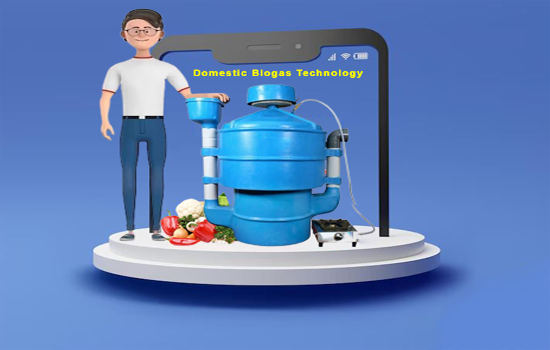
The APRCINDIA Domestic Portable Biogas Plants Course is a professional training program designed to help households and entrepreneurs adopt sustainable waste-to-energy technology.

  • Expert Instruction: Learn from APRC Experts specialized in agronomy and sustainable technology who help farmers optimize production processes.
  • Techno-Commercial Focus: The course doesn't just teach the science; it covers the commercial and financial requirements for setting up and maintaining a plant.
  • Expert Guidance: You receive support from professionals with expertise in agronomy and farm management to ensure your system meets industry standards.
  • Practical Application: It provides the technical skills needed for installation, maintenance, and service, reducing reliance on external technicians.

Who This Course Is For

This training is designed for a broad audience looking to implement or consult on biogas technology:

  • Households & House Wives: Looking to reduce LPG costs and manage kitchen waste hygienically.
  • Entrepreneurs & Startups: Individuals aiming to start a business in the installation and service of portable biogas plants.
  • Professionals: Including engineers, consultants, and retired professionals looking to supplement their technical knowledge.
  • Students & Faculty: Those interested in renewable energy technology and environmental sustainability.

What You'll Learn

The curriculum covers the full lifecycle of a domestic biogas system:

  • Fundamentals: The science of anaerobic digestion and microbiology related to biogas.
  • Design & Components: Understanding different models of family-size plants, their parts, and the required tools.
  • Installation & Activation: Hands-on training on how to properly set up and start the biological process in a new plant.
  • Maintenance & Service: Routine maintenance tasks, troubleshooting common issues, and servicing biogas stoves and lights.
  • Byproduct Management: How to use and apply the nutrient-rich liquid digestate (slurry) as organic fertilizer for gardens or farms.

Profit Scope and Opportunities

Completing the course opens up several financial and professional avenues:

  • Direct Savings: A household plant can pay for itself in approximately two years by replacing 50% to 90% of traditional cooking fuels like LPG or firewood.
  • Service Business: Opportunities to earn income through the promotion, installation, and maintenance of portable biogas plants for others.
  • Fertilizer Production: The byproduct slurry can be sold as high-quality organic manure or used to reduce costs for personal farming and gardening.
  • Consulting: Trained individuals can provide expert consulting services to help others meet regulatory standards and optimize their waste management systems.

Hands-on Practical On Domestic Portable Biogas Plants Course (1 Days)

right-sign

Lab /Practical Fees will be extra on course fees

Hands-on Practical Domestic Portable Biogas Plants Course
  • After take online class
  • 1 Days

Performance evaluation test: Practical & theory, Valedictory function and distribution at certificates

  • Size Calculation: Determining digester capacity based on family size (1000L for 4 people) and waste generation.
  • Installation: Site selection (sunny, level), assembly, and startup procedures.
  • Safety Training: Detecting Hydrogen Sulfide, pressure management, and flame arrestors.
  • Module I
    Structure of the Module
    1 Days
    1 hour/day
    Introduction to Biogas Technology, Basics of family size Biogas plants
    Introduction to Biogas Technology: Benefits of biogas, role in waste management, and renewable energy principles.
    Course inauguration, general introduction about the course, Basic details about Bio Gas Technology.
  • Module II
    Structure of the Module
    1 Days
    1 hour/day
    Domestic Biogas Systems
    Model of Bio Gas Plants, use of Bio Gas plants, parts of Bio Gas plants.
    Appliances of Bio Gas plants major services required for Bio Gas Plants.
  • Module III
    Structure of the Module
    1 Days
    1 hour/day
    Substrate Selection & Preparation
    Learning about suitable organic waste (kitchen scraps, animal manure)
    C/N ratios, and pretreatment methods to optimize gas yield.
  • Module IV
    Structure of the Module
    1 Days
    1 hour/day
    Domestic Biogas Installation
    Service training on Bio Gas stove
    Assembling of appliances of Bio Gas plants
  • Module V
    Structure of the Module
    1 Days
    1 hour/day
    Domestic Biogas Activation
    Training on installation Domestic Biogas
    Activation of Bio Gas plants
  • Module VI
    Structure of the Module
    1 Days
    1 hour/day
    Operation and maintenance of portable Biogas plants
    Initial inoculation (cow dung/starter)
    Troubleshooting low gas production
    Managing pH, and daily loading rates
  • Module VII
    Structure of the Module
    1 Days
    1 hour/day
    Safety & Utilization
    Gas handling, leak testing, using gas burners
    Application of bio-slurry as fertilizer

About the instructor

instructor

APRC Expert

Domestic Portable Biogas Plants Course
  • 5 (30+ rating)
  • 67 lectures
  • 10 hr 07 min

APRC (Agricultural Products Research Center) experts are professionals who specialize in helping farmers optimize their production processes, adopt new technology, and implement sustainable practices. With their expertise in agronomy, soil science, crop protection, and farm management, APRC experts play a key role in driving the success and profitability of modern agricultural operations.

APRC experts provide valuable guidance and support to you as they strive to meet industry standards and consumer expectations. So, if you are looking to stay ahead in the rapidly evolving world of agriculture, consider tapping into the knowledge and experience of an APRC expert to ensure your success.
ARE YOU IMPRESSED FOR AMAZING SERVICES?

Subscribe our newsletter